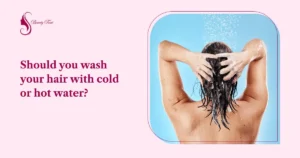
Ever stood under the shower wondering if you’re doing your hair a favor or just slowly drying it out? You’re not alone. The debate between cold vs. hot water for hair wash has been quietly dividing people for years. Many don’t realize that water temperature isn’t just about comfort; it can actually change the way your hair looks and feels.
From scalp’s health and natural oils to shine and frizz, the heat (or chill) of your rinse plays a bigger role than you might think. In this article, we’ll break down what each temperature really does to your hair, uncover the best water temperature, and help you discover what works best for your unique texture and routine.
Cold vs Hot Water for Hair Wash — The Real Difference
Washing your hair with the right water temperature can make a real difference in how healthy and shiny your hair looks. Think of your hair cuticle as tiny doors: hot water opens them wide, while cold water shuts them tight.
When you wash with hot water, those open cuticles allow oils and dirt to wash away more effectively, but they can also strip away natural moisture and leave your scalp feeling dry. On the flip side, cold water helps lock in that shine and seals the hair strands, keeping moisture trapped inside and reducing frizz.
Your scalp pores also react differently. Warm water can stimulate circulation but may irritate sensitive skin, whereas cold water calms and tightens the pores. So, the temperature you choose isn’t just about comfort; it’s about balancing cleanliness with hydration to keep your hair healthy and vibrant.
Why Water Temperature Matters?
Water temperature matters more than you might think when it comes to your hair and scalp health. Cold water helps seal the hair cuticles, lock in moisture, and give your hair a smooth, shiny finish. On the flip side, warm water can open those cuticles, which is great for deep cleaning but can also leave your hair dry and prone to damage if used too often.
Both have their perks and risks: cold water might feel uncomfortable, especially in colder seasons, while warm water can strip natural oils from your scalp, leading to dryness or irritation. Understanding this balance helps you pick the best water temperature for hair that feels healthy and looks great every day.
Best Water Temperature for Hair: Finding the Balance
Finding the right water temperature for hair washing is like striking the perfect balance in a recipe—not too hot, not too cold. Lukewarm water often hits the sweet spot for most hair types, cleansing effectively without causing damage or discomfort.
Why Lukewarm Water Works Best?
Lukewarm water gently removes dirt and oils without stripping your hair’s natural moisture. It opens the hair cuticles just enough for a thorough cleaning but avoids the harsh effects of warm water that can leave hair brittle.
A Final Cold Rinse Adds Shine
Some people like to finish their wash with a quick splash of cold water. This helps seal the hair cuticles, locking in moisture and giving your hair that extra glossy shine. It’s a little trick often recommended by hair pros to make your locks look vibrant and fresh.
When to Wash Hair with Cold Water?
- After workouts or on sweltering days to refresh your scalp.
- If you have oily hair or want that natural shine boost.
- When your scalp feels sensitive or irritated.
When to Avoid Hot Water?
- If your hair is dry, brittle, or color treated.
- When you notice increased hair fall or scalp irritation.
- Especially in winter, when your hair is prone to dryness and breakage.
Risks of Hot Water Hair Damage
This might feel relaxed, but turning up the heat, too much is like overcooking your hair. It can strip away natural oils, causing dryness and breakage. It may also irritate your scalp or worsen conditions like eczema and dandruff.
Remember, healthy hair is not about extremes—it’s about finding that balanced, just-right temperature that leaves your hair clean, shiny, and damage-free.
Tips for Healthy Hair Washing
Taking care of your hair while washing doesn’t have to be complicated.
- Start with a gentle shampoo and conditioner to nourish your hair without stripping its natural oils.
- Avoid scrubbing your scalp too hard—think of it like giving your scalp a soft massage rather than a workout.
- For that sleek, salon-like finish, try ending with a cold rinse; it seals the cuticles and adds shine.
- Most importantly, listen to your hair’s signals—if it feels dry, oily, or irritated, tweak your routine.
Your hair knows best, so treat it kindly, and it will thank you for healthier, happier strands. For healthier, shinier hair, start your care routine right with Beauty Treat because your hair’s health is our priority.