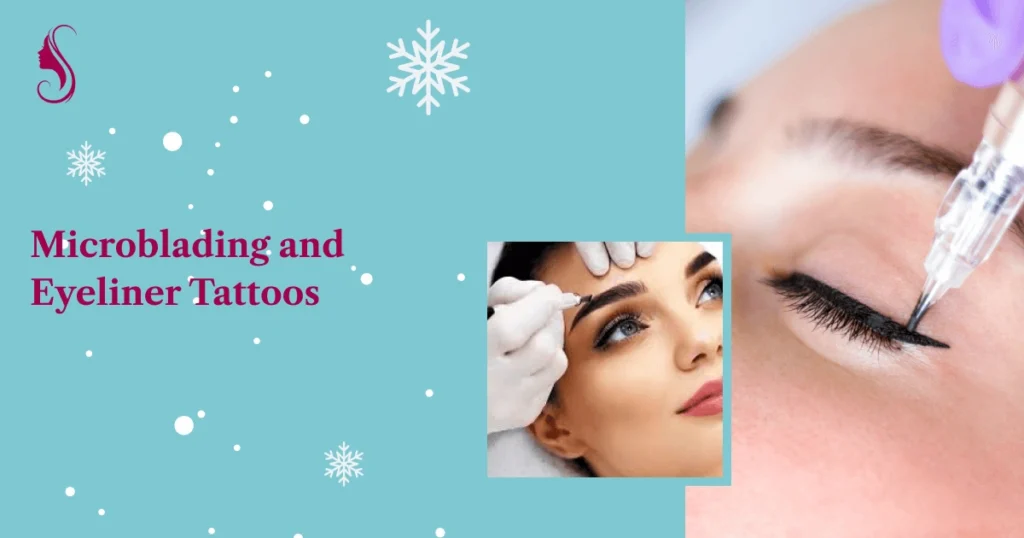
Ever wish your brows and eyeliner looked flawless the moment you wake up? You’re definitely not alone. In today’s fast-paced world, most of us crave that kind of beauty without spending hours in front of the mirror every morning. That’s where Microblading and Eyeliner Tattoos come into play.
These semi-permanent makeup techniques have become the go-to for people who want long-lasting definitions without daily touch-ups. In this guide, we’ll break down what these treatments really are, how they work, and which option might be the best fit for your lifestyle. No beauty jargon, just real talk.
What is Microblading?
Microblading is a semi-permanent brow shaping technique that creates natural-looking eyebrows by drawing fine, hair-like strokes on the skin. Unlike traditional eyebrow tattoos that use a machine and often result in solid, less realistic lines, microblading uses a handheld tool to mimic the appearance of real brow hairs.
This subtle approach makes microblading popular for anyone who wants fuller, well-defined brows without the heavy or artificial look. Plus, because it’s semi-permanent, the results usually last up to 12-18 months. It’s no surprise that semi-permanent makeup is trending. It’s like giving your beauty routine a shortcut while keeping it natural.
Eyeliner Tattoo – Waking Up with Ready-to-Go Eyes
Eyeliner tattooing is a semi-permanent makeup technique that gives you beautifully defined eyes without the daily hassle of applying eyeliner. It works together with microblading by framing your face. While microblading shapes your brows, the eyeliner tattoo enhances your eyes, creating a balanced, polished look. There are a few popular styles to choose from:
- The classic liner for a clean, timeless finish.
- Lash enhancement, which darkens the lash line for a natural boost.
- Winged look, perfect for those who love a bit of drama.
Many find these options a real confidence booster, as they simplify morning routines. Imagine waking up with ready-to-go eyes every day, no smudging or reapplying needed. Comfort-wise, the process is generally well-tolerated with minimal discomfort, and proper aftercare helps to keep the results fresh and vibrant longer.
The Beauty of Semi-Permanent Makeup – Confidence That Lasts
This makeup is shaking beauty routines everywhere, and it’s easy to see why. This innovative approach offers subtle enhancements that last, saving busy professionals and beauty minimalists heaps of time in front of the mirror every day. Thanks to modern pigment technology.
The colors used are blended seamlessly with your natural features and giving a fresh, authentic look rather than an overdone finish. What’s even better? It fades gracefully over time, so it’s like having a beauty reset button; offering the flexibility to change your style without the long-term commitment. It’s confidence that sticks with you, without sticking around forever.
Brow Shaping & Personalization – Finding Your Perfect Look
Brow shaping is the foundation of a successful microblading session. Before even picking up a blade, skilled artists emphasize the importance of shaping brows to harmonize your unique face structure.
Why Brow Shaping Matters Before Microblading?
- Brows frame your face and influence how your expressions read, so the shape needs to complement your bone structure.
- Proper shaping ensures microblading enhances your natural beauty instead of masking it.
- Skipping this step can lead to uneven or unnatural results that don’t age well.
How Do Artists Map & Measure Harmony and Expression?
- Artists use precise mapping techniques, measuring distances between the eyes, nose, and brows to find balance.
- Tools like calipers and string help achieve symmetry and guide where strokes should be placed.
- This process ensures brows express emotion naturally while matching your unique face contours.
Customizing Brows for Your Unique Features
No two faces are alike, and neither should brows be. Microblading artists customize shapes based on your eye shape, brow density, and personal style. “Your brows should be sisters, not twins,” is the straightforward motto here. This implies that while they don’t have to appear the same, they should blend in well.
This personalization respects the subtle differences that make your face uniquely yours. By prioritizing brow shaping and personalization, microblading transforms from a one-size-fits-all procedure into a personalized art form that enhances your natural charm, not masking it.
What to Expect: Healing, Care & Results
Step into the world of microblading and eyeliner tattoos, and you’ll want to know exactly what’s coming your way after the procedure.
- Initially, expect mild redness and swelling for a day or two.
- Within the first week, the area will scab gently as the pigment settles.
- It’s crucial to keep the area clean and avoid picking those tiny scabs.
Here’s a quick rundown of dos and don’ts post-procedure:
- Do keep the treated area dry for at least 7-10 days.
- Do apply any recommended ointments to keep the skin hydrated.
- Don’t expose your new brows or liner to direct sunlight or tanning beds.
- Don’t swim or take long hot showers that might soak the area.
- Don’t use harsh skincare products like retinol or exfoliants near the treated spots.
Results will evolve over the next few weeks. Color might initially appear darker but will soften as the skin heals, revealing those delicate, natural-looking strokes or liner edges. Typically, a touch-up is needed 4 to 8 weeks after the first session to perfect the shape and color.
At Beauty Treat, we specialize in expert microblading and eyeliner tattoos that save you time and boost your confidence with natural, semi-permanent beauty.
Quick FAQs:
Q: How long does healing take?
A: Around 7-14 days for the surface; deeper skin layers take longer to settle.
Q: Can I wear makeup over microbladed brows or eyeliner during healing?
A: It’s best to avoid makeup on the area until it is fully healed.
Q: Will my microblading or eyeliner tattoo fade?
A: Yes, fading is normal due to skin regeneration, sun exposure, and skincare habits.
Q: Are touch-ups painful?
A: Most clients feel less discomfort during touch-ups as the skin is less sensitive.